Research

Projects

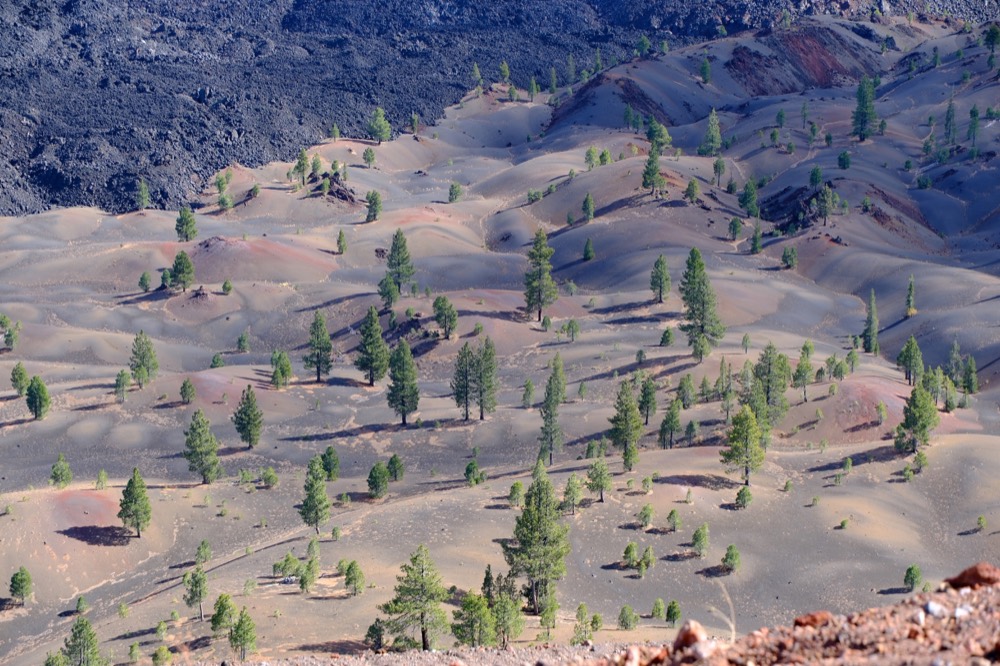
Scattered conifers growing on bare volcanic slopes
Lassen Volcanic National Park, CA (2026)

Widespread bedrock water use (opens in a new tab)

Using remotely sensed water balances, we show that woody plants across the U.S. routinely access “rock moisture”: water stored in unsaturated, weathered bedrock that hydrologic and ecosystem models typically neglect.

Contrary to the long-standing assumption that plants access water only in soils, we found that woody plants across the continental U.S. commonly use rock moisture: water stored in the cracks and fissures of weathered bedrock. Because direct measurements of bedrock water are rare, we used plants as sensors, inferring bedrock water use from remotely sensed water balances.

See the project page (opens in a new tab) for maps, data, and code.

McCormick et al. (2021) Nature (opens in a new tab)
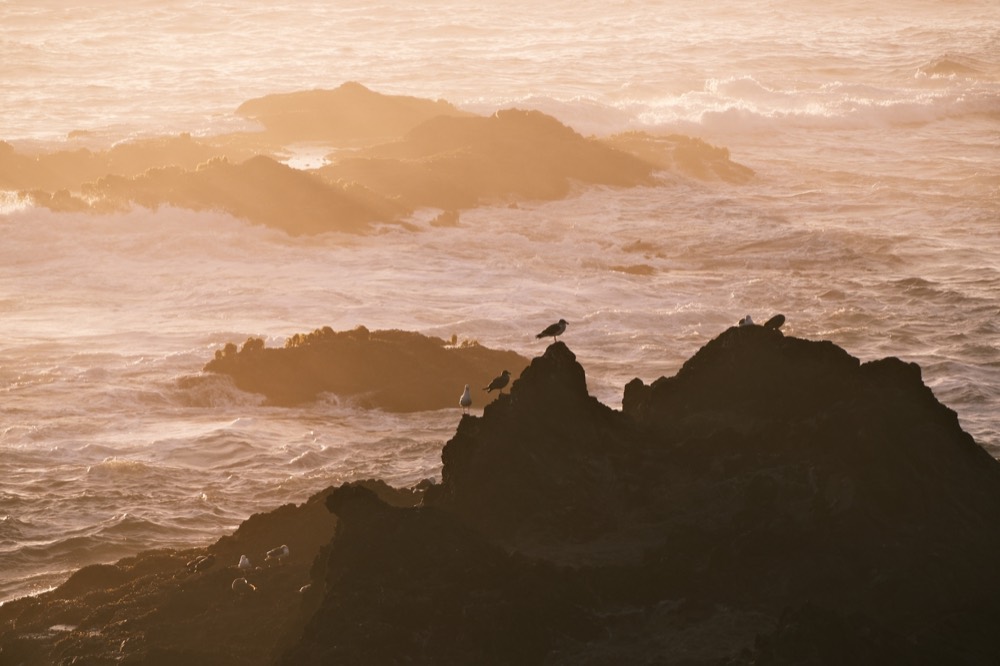
Waves breaking around dark coastal rocks
Point Cabrillo, CA (2026)

Vegetation response to extreme storms (opens in a new tab)

How vegetation responds to an extreme storm depends more on the characteristics of the site than on the intensity of the storm. We used machine learning to isolate the photosynthesis response to extreme storms at FLUXNET sites around the world.

Vegetation response to drought is studied far more than response to extreme storms, even though their global impacts may be comparable. Using machine learning with data from 54 FLUXNET sites, I quantified changes in photosynthesis after extreme storms and found that the response is explained better by soil texture, climate, topography, and vegetation density than by storm intensity.

Code and data (opens in a new tab) on Zenodo.

McCormick et al. (2025) GCB (opens in a new tab)
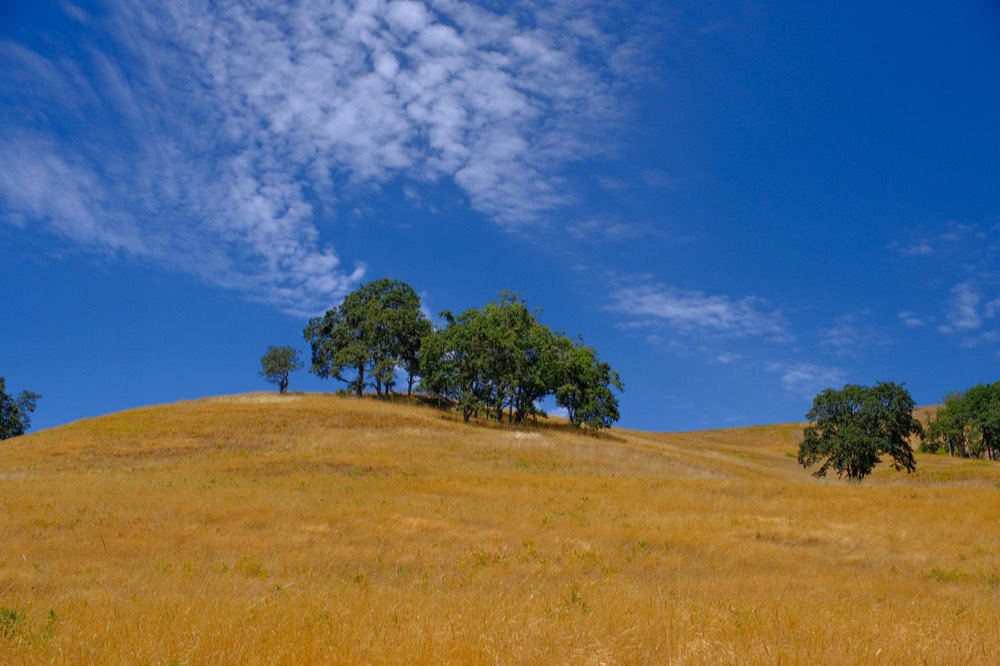
Oak trees on a golden grassy hill under a blue sky
Prairie Creek Redwoods National Park, CA (2025)

Estimating evapotranspiration without assuming water availability (opens in a new tab)

A new gridded evapotranspiration dataset for CONUS based on surface flux equilibrium, which needs only net radiation, air temperature, and humidity. We validate it against commonly used datasets using triple collocation.

Nearly all evapotranspiration (ET) datasets build in assumptions about soil moisture and plant behavior, which makes them hard to use for learning about the subsurface. I implemented a remotely sensed ET dataset based on the surface flux equilibrium approach, which needs only net radiation, air temperature, and humidity, and showed with triple collocation that it performs comparably to commonly used ET products.

The daily ET dataset (opens in a new tab) is on Zenodo.

McCormick et al. (2026) HESS (opens in a new tab)

In the news